
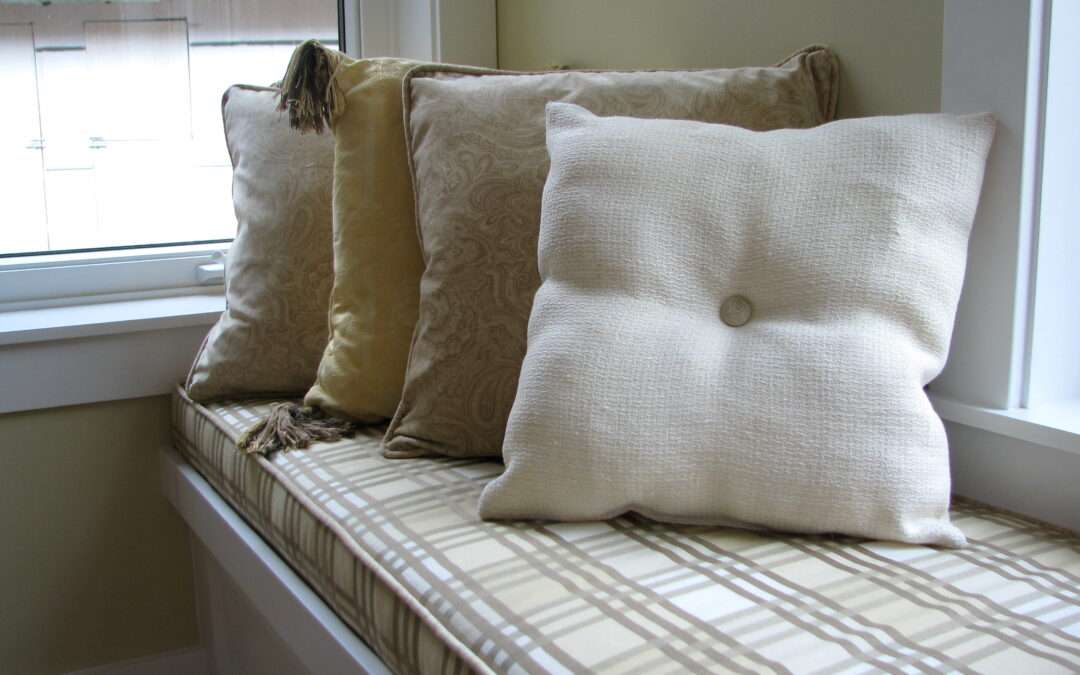
Living in a small space comes with its own set of challenges, especially when it comes to making it feel warm, inviting, and truly comfortable. The good news is, with the right approach, even the tiniest apartments or rooms can become cozy retreats.
One of the most effective ways to add warmth and personality to a compact area is through textiles – think cushions, throws, rugs, and curtains. But in today’s world, where sustainability matters more than ever, choosing eco-friendly fabrics can make your cozy corner not just beautiful but also responsible.
In this article, we’ll explore how sustainable textiles can transform your small space into a snug haven without overwhelming it.
The Essence of Coziness in Compact Spaces
What does it really mean for a space to be cozy? For many, it’s about softness and warmth—a feeling that instantly puts you at ease. In a small space, textiles play a huge role in achieving that vibe. Unlike large spaces where furniture can dominate, in smaller rooms, the textures and colors you bring in through fabrics become the heart of your design.
But there’s a balance to strike. Too many bulky items or heavy materials can make a small area feel cramped and cluttered. Instead, layering light, soft textiles thoughtfully can create depth and comfort without crowding your room. For example, a lightweight throw draped over a chair or a small area rug with a subtle pattern can warm up the space without stealing valuable square footage.
Why Sustainable Textiles Matter?

Choosing sustainable textiles goes beyond just aesthetics—it’s an important choice for the environment and your health. Traditional textile production often involves harmful chemicals, excessive water use, and non-renewable resources. Sustainable fabrics, on the other hand, are made from organic or recycled fibers grown and processed in ways that minimize environmental damage.
Natural fibers such as organic cotton, hemp, linen, bamboo, and wool generally require fewer pesticides and less water. Recycled fabrics help reduce waste by giving new life to materials that might otherwise end up in landfills. Plus, sustainable textiles tend to be free of toxic dyes and finishes, which means better air quality inside your home—something especially important in small spaces where ventilation may be limited.
From a practical perspective, quality sustainable textiles are often more durable. Investing in well-made eco-friendly cushions or blankets means you’re less likely to replace them frequently, ultimately reducing waste and saving money over time.
Best Sustainable Fabrics for Small Spaces
When it comes to picking fabrics for your cozy nook, here are some top sustainable options to consider:
- Organic Cotton: Soft and versatile, organic cotton is grown without harmful pesticides. It’s easy to care for and works well in cushions and curtains.
- Linen: Made from flax plants, linen is breathable and has a lovely texture that adds natural elegance. It’s perfect for light drapes or slipcovers.
- Hemp: This strong fiber is highly sustainable due to its fast growth and low water needs. Hemp textiles are durable yet soft over time.
- Bamboo: Bamboo fabric is silky and moisture-wicking; it’s great for throws and pillow covers.
- Wool: Wool provides excellent insulation and natural fire resistance. Small wool rugs or blankets can add warmth without bulk.
- Recycled Fibers: Look for products made from recycled polyester or nylon—these fabrics divert plastic waste from oceans and landfills.
In terms of color and pattern, lighter hues such as creams, soft pastels, or earthy tones help open up small spaces by reflecting light. Subtle patterns or natural textures add visual interest without overwhelming the room.
Integrating Sustainable Textiles into Your Small Space

Adding sustainable textiles doesn’t mean you have to overhaul your entire space at once. Start small with simple accents:
- Cushions and Throws: A few cushions made from organic cotton or hemp on your sofa can instantly soften the room. Layer with a bamboo or linen throw for extra warmth.
- Window Treatments: Curtains made from linen or organic cotton filter natural light gently while helping with insulation.
- Rugs: Choose small wool or recycled fiber rugs to define areas without covering the entire floor.
- Upholstery: If you’re reupholstering furniture, look for sustainable fabric options that match your style.
A quick tip: pairing these textiles with wooden products like side tables or shelving units enhances the natural feel of your space. The warm tones and textures of sustainably sourced wood complement eco-friendly fabrics beautifully, creating a calm and balanced environment.
Caring for Your Sustainable Textiles
To keep your textiles cozy and looking fresh for years, proper care is essential:
- Follow washing instructions carefully—many sustainable fabrics prefer gentle washing or air drying.
- Repair small tears or loose threads instead of tossing damaged items.
- Rotate cushions and rugs regularly to prevent uneven wear.
- When it’s time to part ways with any textile, consider donating or recycling rather than throwing it away.
Taking good care of your textiles not only helps reduce waste but also maintains the inviting atmosphere of your space.
Styling Tips for a Cozy and Sustainable Small Space
Making your small space cozy is all about layering textures and colors without overcrowding. Here are some styling pointers:
- Use a mix of smooth and nubby textures—think soft cotton cushions combined with a chunky wool throw.
- Stick to a cohesive color palette with one or two accent colors to avoid visual chaos.
- Use textiles as focal points—for example, a statement linen curtain or a patterned hemp rug.
- Keep furniture simple and light to let your textiles shine without competing for attention.
Remember, less is more in small spaces. By choosing quality sustainable pieces thoughtfully, you create an inviting environment that feels spacious yet snug.
Final Words
Creating a cozy small space is absolutely possible with sustainable textiles at the center of your design. Not only do these fabrics bring softness and warmth into tight quarters, but they also reflect mindful choices that benefit both your health and the planet. By selecting eco-friendly materials like organic cotton, hemp, or wool, you can build a home that feels good inside and out.
Start with small changes like adding a few cushions or upgrading your curtains. With care and attention, your little space will become a welcoming retreat full of comfort and character—a place you’ll love coming back to every day.

